Table of Contents
In the digital age, social media strategies for small businesses are some of the most effective tools for raising brand awareness, attracting customers, and driving steady growth. Unlike traditional marketing, social media allows small businesses to interact directly with their audience, show their personality, and compete with larger brands, even on small budgets.
This blog explains how small businesses can create, implement, and improve effective social media strategies for long-term success.
Social media strategies for small businesses are vital in today’s digital landscape. Online visibility impacts trust, engagement, and sales. With limited budgets and resources, small businesses need focused and practical ways to stand out on platforms like Instagram, Facebook, LinkedIn, and YouTube. When done right, these strategies help businesses connect with their target audience and establish a strong online brand presence.
Effective social media strategies for small businesses start with understanding the audience’s needs, preferences, and online habits. By identifying the right platforms and creating content that solves problems or adds value, small businesses can attract the right followers instead of chasing superficial metrics. Consistency in posting, messaging, and branding is key to maintaining credibility and recognition.
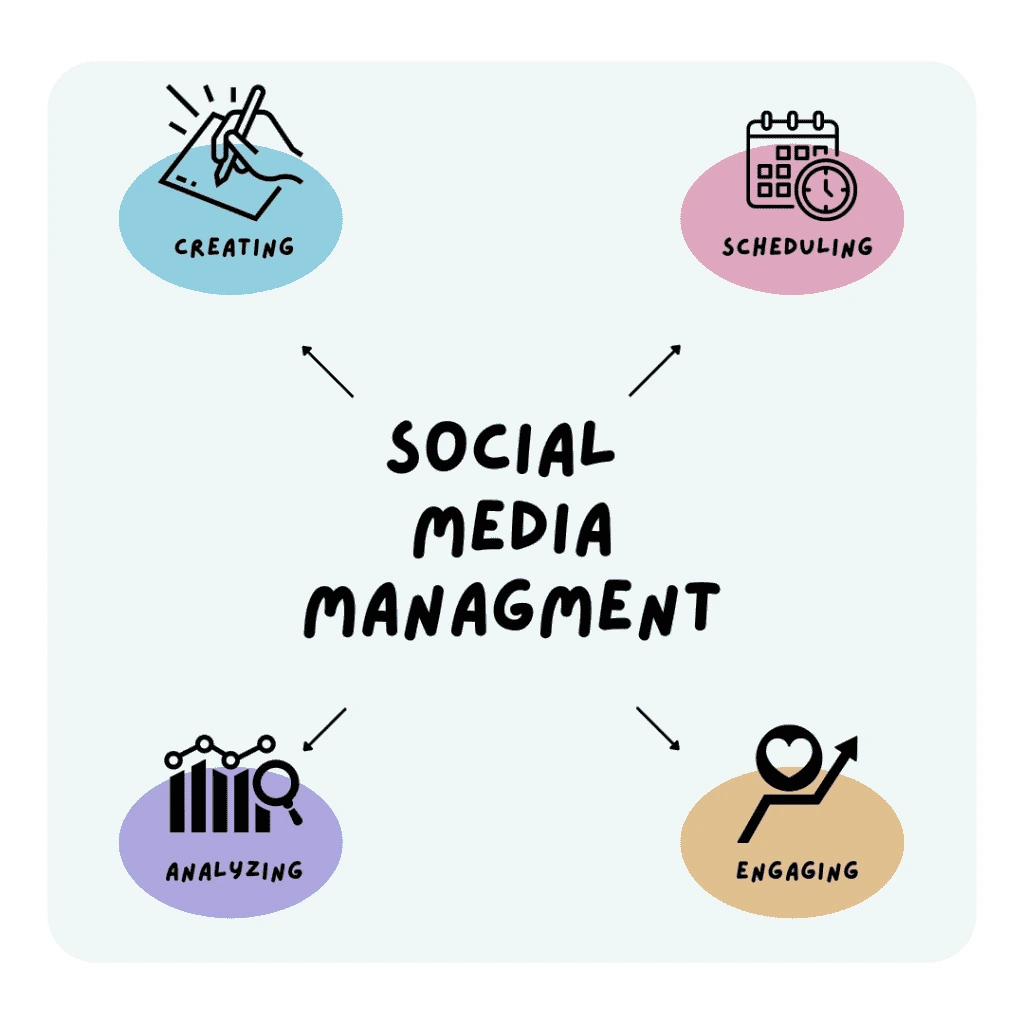
Content planning plays an important role in social media strategies for small businesses. A balanced mix of educational posts, promotional updates, customer testimonials, and behind-the-scenes content keeps audiences engaged and encourages interaction. Visual consistency, including brand colors and fonts, further enhances brand identity across platforms.
Engagement is another critical aspect of successful social media strategies for small businesses. Responding to comments, messages, and reviews builds trust and fosters long-lasting relationships with customers. Social media should not just be about sharing content; it should encourage two-way communication that makes customers feel heard and valued.
Affordable paid advertising can also support social media strategies for small businesses by helping brands reach specific audiences based on location, interests, and demographics. When combined with organic efforts and performance tracking, social media becomes a powerful growth tool.
In conclusion, well-planned social media strategies for small businesses help brands grow steadily, boost online visibility, and build meaningful customer connections. With clarity, consistency, and ongoing improvement, small businesses can achieve measurable success through social media marketing.best freelance digital marketer in thrissur
Why Is SEO Important?
Increases website visibility on search engines
Drives organic traffic without paid ads
Builds trust and credibility among users.
Improves user experience
Generates long-term results at lower costs
Key Types of SEO
On-page SEO
Optimizing your content, keywords, headings, meta descriptions, and internal links.
Off-page SEO
Building backlinks, social signals, and brand authority across the web.
Technical SEO
Improving website speed, mobile responsiveness, site architecture, and security.
How SEO Helps Small Businesses
With SEO, small businesses can compete with big brands by focusing on local and niche keywords, attracting high-intent customers, and driving consistent growth sans a huge marketing budget.
Why Social Media Is Important for Small Businesses
Social media is where customers are spending their time researching brands, reading reviews, and making purchasing decisions. For small business owners, having a strong social media presence is no longer optional; it’s a necessity.
Key benefits of social media include:
- Increased brand visibility
- Cost-effective marketing
- Direct customer communication
- Higher trust and credibility
- Improved customer loyalty
With the right strategies on social media for small businesses, these benefits can be translated into real business growth.
1. Setting Clear Goals for Social Media Success🎯
Every successful social media campaign begins with clear goals. Posting has no meaning if objectives have not been defined.
Common goals include:
- Growing brand awareness
- Quality lead generation
- Driving website traffic
- Increasing sales
- Building an engaged community
Well-defined goals shape all social media strategies of small businesses, from content development to tracking performance.
2. Know Your Target Audience

Knowing your audience forms the foundation of successful social media marketing. Small businesses should analyse:
- Age, location, and interests.
- Pain points and challenges
- Online behaviour and preferred platforms
When it speaks directly to the needs of the audience, social media strategies for small businesses become more effective and engaging.
3. Choosing the Right Social Media Platforms

Not every platform calls for your activity. Effective social media strategies for small
Businesses have a focus on the platforms that deliver the most value.
- Instagram: Visual branding, reels, and storytelling
- Facebook: Building community and reaching local businesses
- LinkedIn: B2B marketing and professional services
- YouTube: Long-form educational and tutorial content
Save time and make sure you receive maximum results by choosing the right platforms.
4. Building a Strong Online Brand Identity 🎨
Consistency is key to creating brand recognition. Elements that compose a strong online brand identity include:
- Consistent use of logos
- Brand colors and typography
- Clear brand voice and tone
Consistency across every platform solidifies a small business’s strategy and fosters trust among audiences.
5. Developing a Standard Content Plan 📅
Content is the crux of any successful social media marketing. A well-planned content strategy helps small businesses stay consistent and relevant.
Effective content types include:
- Educational posts and tips
- Promotional content
- Customer testimonials and reviews
- Behind-the-scenes stories
- Interactive posts like polls and question-and-answer sessions
A content calendar is an important element in any social media strategy that helps small businesses post on a regular basis in an organized manner.
6. Focusing on Value-Driven Content
Audiences follow brands for value, not promotions. Powerful social media strategies for small businesses focus on:
- Solving customer problems
- Educating followers
- Sharing actionable insights
- Entertaining and inspiring content.
Value-driven content increases engagement and builds loyal followers over time.
7. Engagement: The Heart of Social Media 💬
Social media is a two-way conversation. Engagement makes all the difference in the success of social media strategies for small businesses.
Best practices include:
- Responding promptly to comments and messages
- Acknowledging feedback and reviews
- Engaging with audience posts
Active engagement improves reach and strengthens customer relationships.
8. Using Hashtags and Captions Effectively
Hashtags enable more people to view your content.
- Use a mix of niche, local, and industry hashtags
- Avoid overstuffing hashtags.
Captions should be:
- Clear and conversational.
- Focused on benefits
- Include calls-to-action (CTA)
Captioning strategically helps to elevate small business social media campaigns by driving engagement.
9. Leveraging User-Generated Content & Testimonials ⭐
User-generated content reflects trust and authenticity.
- Share customer reviews
- Repost customer stories
- Highlight success stories
This form of social proof acts to strengthen social media strategies for small businesses and drives purchasing decisions.
10. Paid Advertising for Small Businesses: Optional yet Powerful
Organic reach matters, but paid ads can accelerate results.
- Promote high-performing posts
- Run location-based ads
- Focus on lead-generation campaigns
Even small budgets can be remarkably effective if oriented towards a particular social media strategy for small businesses.
11. Tracking Performance and Optimizing Results 📊
Data enhances decision-making.
Track key metrics such as:
- Engagement rates
- Follower growth
- Website clicks
- Conversions of leads
Regular analyses make sure that social media strategies for small businesses keep evolving and improving.
Common Social Media Mistakes to Avoid
- Inconsistent posting
- Over-promotion
- Neglecting Audience Engagement
- Copying competitors without a strategy
- Not reviewing analytics
By avoiding these mistakes, you safeguard the effectiveness of your efforts.
The Role of Consistency in Long-Term Growth
After all, it’s consistency that separates the truly successful brands from the forgotten. Regular posting, maintaining brand voice, and staying engaged help social media strategies for small businesses deliver long-term value rather than short-term spikes.
Final Thoughts
Well-executed social media strategies for small businesses empower brands to create awareness, trust, and lasting customer relationships. Focused on clarity, consistency, engagement, and value-driven content, social media can become a reliable growth engine for small businesses.