Blog

Your blog category

digital marketing strategies
Blog

Digital Marketing Strategies 

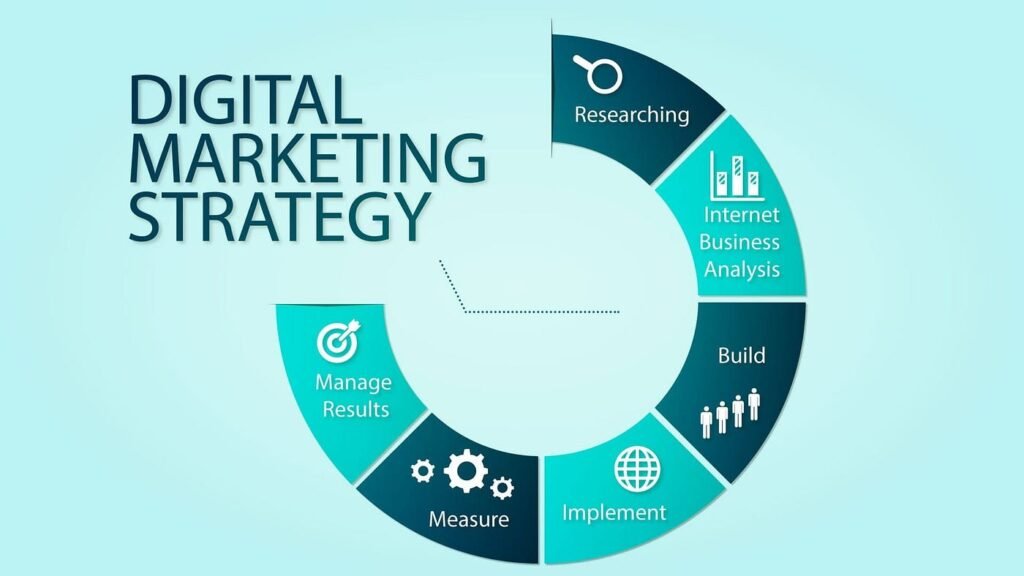
In today’s competitive online world, businesses need to implement appropriate digital marketing strategies to stay at the top. With the growing popularity of the internet and social media, digital marketing is now considered one of the most important marketing strategies for attracting potential customers and increasing brand recognition. To succeed in today’s competitive online market, businesses must understand and use effective digital marketing strategies. These strategies help improve brand awareness, reach the right audience, and generate quality leads. By implementing proven methods like SEO, social media marketing, content marketing, and paid advertising, businesses can increase website traffic and conversions. Digital marketing also allows companies to track performance and make better decisions. Whether you are a business owner, startup, or entrepreneur, using the best digital marketing strategies can help you grow your business successfully and achieve long-term results in the digital world. 1. Search Engine Optimization (SEO) Search Engine Optimization is one of the most important digital marketing techniques to improve the visibility of your website. SEO helps your website rank high on search engines like Google, making it easy for potential customers to locate your business. SEO entails: Keyword research On-page optimization Technical SEO Link building Through effective SEO implementation, businesses can generate organic traffic. 2. Content Marketing Content marketing is another powerful component of digital marketing strategies. Good content helps provide information to your audience. Types of content marketing include: Creating valuable content improves brand credibility and attracts potential customers. 3. Social Media Marketing Social media platforms play a major role in modern digital marketing strategies. Platforms like Facebook, Instagram, LinkedIn, and Twitter allow businesses to reach a wide audience. Benefits of social media marketing: Posting regularly and interacting with your audience can help grow your business effectively. 4. Email Marketing Email marketing remains one of the most effective digital marketing strategies for nurturing leads and maintaining customer relationships. Businesses can send personalized emails to promote products, services, and offers. Advantages of email marketing: Email marketing helps businesses stay connected with their audience and increase sales. 5. Pay-Per-Click Advertising (PPC) PPC advertising is a quick and effective part of digital marketing strategies. Google Ads and social media ads allow businesses to target specific audiences and drive immediate traffic. Benefits of PPC: PPC campaigns help businesses gain quick visibility and leads. 6. Influencer Marketing Influencer marketing is becoming one of the popular digital marketing strategies. Businesses collaborate with influencers to promote their products and services. Benefits include: Influencers help businesses reach new audiences and build trust. 7. Video Marketing Video content is one of the fastest-growing digital marketing strategies. Videos are engaging and help businesses communicate effectively with their audience. Types of video marketing: Video marketing increases engagement and improves conversion rates. 8. Mobile Marketing With the increasing use of smartphones, mobile marketing is essential in digital marketing strategies. Businesses must optimize websites and ads for mobile users. Benefits of mobile marketing: Mobile-friendly marketing helps businesses reach more customers. 9. Affiliate Marketing Affiliate marketing is an effective digital marketing strategy where businesses partner with affiliates to promote products. Affiliates earn commissions for generating sales, helping businesses expand reach and increase revenue. Advantages: Affiliate marketing helps businesses expand their audience. 10. Analytics and Data Tracking Tracking performance is crucial for successful digital marketing strategies. Analytics tools help businesses measure results, understand customer behavior, and identify areas for improvement. By analyzing data, businesses can optimize campaigns, improve ROI, and make better marketing decisions. Regular performance tracking also helps marketers adjust strategies, enhance engagement, and achieve consistent business growth in a competitive digital environment. Key metrics include: Using analytics helps businesses optimize their marketing efforts. Benefits of Digital Marketing Strategies Implementing the right digital marketing strategies offers many advantages: These benefits make digital marketing essential for business success. How to Choose the Right Digital Marketing Strategies To choose the best digital marketing strategies, businesses should: Selecting the right strategies improves results and helps businesses grow faster. Future of Digital Marketing Strategies The future of digital marketing strategies is constantly evolving as technology continues to transform how businesses connect with their audience. Trends like artificial intelligence, voice search, automation, and data-driven marketing are shaping the digital marketing landscape. Businesses are now focusing on personalized content, video marketing, and interactive experiences to improve customer engagement. Social media platforms, influencer marketing, and short-form videos are also gaining more importance. In addition, SEO strategies are becoming smarter with AI-powered tools and user-focused content. Companies that stay updated with these changes can build a stronger online presence, attract more customers, and achieve sustainable business growth in a competitive digital world. Businesses must stay updated with new trends and technologies to remain competitive. The best freelance digital marketer adapts to new changes to help businesses achieve long-term success. Conclusion In conclusion, implementing effective digital marketing strategies is essential for business growth in today’s digital world. From SEO and content marketing to social media and PPC advertising, these strategies help businesses reach their target audience and increase sales. By understanding and applying the right digital marketing strategies, businesses can improve brand awareness, generate leads, and achieve long-term success. Investing in digital marketing is the best way to grow your business and stay ahead of competitors.


Why SEO is Important for Business growth
Blog

Why SEO is Important for Business Growth

In today’s digital age, every business must have an online presence. Customers look for online solutions before selecting a product or service. This is where Search Engine Optimization (SEO) comes into play. Knowing the importance of SEO in business growth will help businesses increase visibility, reach potential customers, and stay ahead of the competition. What is SEO? Search Engine Optimization (SEO) is the process of optimizing a website to increase its visibility in search engine results. The primary aim of SEO is to ensure that websites rank higher on the search engine results pages (SERPs) for relevant searches conducted by users on search engines for specific keywords. This clearly explains why SEO is important for business growth, as better rankings help businesses reach more potential customers online. SEO techniques include conducting keyword research, optimizing content, increasing website speed, building quality backlinks, and making sure that the website is mobile-friendly. By doing this, businesses can increase their rankings on search engines and drive more traffic to their websites. These strategies highlight why SEO is important for business growth, as they help businesses improve visibility and attract the right audience. Understanding why SEO is important for business growth begins with recognizing the impact of search engines on consumer behavior. When your website ranks at the top of search engine results, it becomes easier for potential customers to discover your business, build trust in your brand, and choose your products or services over competitors. Why SEO is Important for Business Growth 1. Improves Online Visibility One reason SEO is important for business growth is that it improves your website’s visibility. Most people do not go beyond the first page of the search engine results. If your website is not optimized for search engines, you may never see your potential customers. SEO improves the ranking of your website for specific keywords. This makes it easy for people to find your services or products 2. Drives Targeted Traffic Another major reason why SEO is significant in business growth is that it drives targeted traffic. This is different from advertising in that SEO targets people who are interested in finding answers to issues surrounding your business. Targeted traffic not only drives traffic to your site but also ensures that your business receives quality leads. 3. Builds Trust and Credibility Trust is an important factor in online decision-making. The websites that rank at the top of search engine results are often perceived as more trustworthy by users. This clearly explains why SEO is important for business growth, as higher rankings improve credibility and attract more potential customers. SEO assists businesses in establishing trust and credibility by creating high-quality content, optimizing websites, and delivering a positive user experience. These strategies show why SEO is important for business growth, because search engines prioritize websites that offer valuable information and seamless navigation. As the best freelance digital marketer in Thrissur, you can implement these strategies effectively. This is another key reason why SEO is important for business growth, as building trust with your target audience leads to long-term relationships and sustainable business success. 4. Enhances User Experience A well-optimized website not only helps in better rankings, but it also helps in providing a better user experience. SEO helps in optimizing various parameters, including page loading speed, ease of use, and content. If users find a website easy to use and interesting, they are more likely to spend more time on the site and visit more pages. Improving user experience is one of the most significant reasons why SEO is considered to be important for the growth of businesses 5. Cost-Effective Marketing Strategy In comparison to paid advertising, SEO is a relatively cheap way to market your business. For example, while paid advertising involves ongoing expenses, SEO focuses on creating a website that attracts visitors through higher rankings in search engines. This clearly shows why SEO is important for business growth, as it helps businesses gain visibility without continuously spending on ads. Once your website ranks well in major search engines for specific keywords, it can continue to attract visitors without ongoing advertising expenses. This long-term benefit explains why SEO is important for business growth, since businesses can generate consistent organic traffic and reduce marketing costs over time. In many businesses, understanding why SEO is important for business growth helps them invest in strategies that support long-term success, improve online presence, and create sustainable growth in the competitive digital market. 6. Supports Local Business Growth SEO is also very important for local businesses. With the help of local SEO, businesses can be listed on search engines when customers search for specific services locally. This shows that SEO is very important for the growth of businesses, especially for businesses that aim to attract customers locally. 7. Provides Measurable Results Another advantage of using SEO is that it has measurable results, meaning that businesses can track the number of visitors to their sites, as well as the number of keywords that are being used. This will help businesses understand what they are doing right and what they are doing wrong, hence optimizing the strategies to improve results. Understanding the importance of SEO for business growth means understanding the importance of data-driven strategies for improving marketing performance. 8. Helps Businesses Stay Competitive In the competitive digital world, businesses have to keep on changing to remain at the top of the game. Many businesses are already using SEO to enhance their online presence. conclusion Why SEO is Important for business growth because it lies in its ability to improve online visibility and attract potential customers through search engines. SEO helps businesses rank higher, drive organic traffic, and build credibility with their audience. By using proper keywords, quality content, and optimization strategies, businesses can reach the right audience, increase brand awareness, and achieve long-term digital growth.

Blog

Social Media Strategies For Small Businesses

In the digital age, social media strategies for small businesses are some of the most effective tools for raising brand awareness, attracting customers, and driving steady growth. Unlike traditional marketing, social media allows small businesses to interact directly with their audience, show their personality, and compete with larger brands, even on small budgets.  This blog explains how small businesses can create, implement, and improve effective social media strategies for long-term success. Social media strategies for small businesses are vital in today’s digital landscape. Online visibility impacts trust, engagement, and sales. With limited budgets and resources, small businesses need focused and practical ways to stand out on platforms like Instagram, Facebook, LinkedIn, and YouTube. When done right, these strategies help businesses connect with their target audience and establish a strong online brand presence. Effective social media strategies for small businesses start with understanding the audience’s needs, preferences, and online habits. By identifying the right platforms and creating content that solves problems or adds value, small businesses can attract the right followers instead of chasing superficial metrics. Consistency in posting, messaging, and branding is key to maintaining credibility and recognition. Content planning plays an important role in social media strategies for small businesses. A balanced mix of educational posts, promotional updates, customer testimonials, and behind-the-scenes content keeps audiences engaged and encourages interaction. Visual consistency, including brand colors and fonts, further enhances brand identity across platforms. Engagement is another critical aspect of successful social media strategies for small businesses. Responding to comments, messages, and reviews builds trust and fosters long-lasting relationships with customers. Social media should not just be about sharing content; it should encourage two-way communication that makes customers feel heard and valued. Affordable paid advertising can also support social media strategies for small businesses by helping brands reach specific audiences based on location, interests, and demographics. When combined with organic efforts and performance tracking, social media becomes a powerful growth tool. In conclusion, well-planned social media strategies for small businesses help brands grow steadily, boost online visibility, and build meaningful customer connections. With clarity, consistency, and ongoing improvement, small businesses can achieve measurable success through social media marketing.best freelance digital marketer in thrissur Why Is SEO Important? Increases website visibility on search engines Drives organic traffic without paid ads Builds trust and credibility among users. Improves user experience Generates long-term results at lower costs Key Types of SEO On-page SEO Optimizing your content, keywords, headings, meta descriptions, and internal links. Off-page SEO Building backlinks, social signals, and brand authority across the web. Technical SEO Improving website speed, mobile responsiveness, site architecture, and security. How SEO Helps Small Businesses With SEO, small businesses can compete with big brands by focusing on local and niche keywords, attracting high-intent customers, and driving consistent growth sans a huge marketing budget. Why Social Media Is Important for Small Businesses Social media is where customers are spending their time researching brands, reading reviews, and making purchasing decisions. For small business owners, having a strong social media presence is no longer optional; it’s a necessity. Key benefits of social media include: With the right strategies on social media for small businesses, these benefits can be translated into real business growth. 1. Setting Clear Goals for Social Media Success🎯  Every successful social media campaign begins with clear goals. Posting has no meaning if objectives have not been defined. Common goals include: Well-defined goals shape all social media strategies of small businesses, from content development to tracking performance. 2. Know Your Target Audience Knowing your audience forms the foundation of successful social media marketing. Small businesses should analyse:  When it speaks directly to the needs of the audience, social media strategies for small businesses become more effective and engaging. 3. Choosing the Right Social Media Platforms Not every platform calls for your activity. Effective social media strategies for small  Businesses have a focus on the platforms that deliver the most value. Save time and make sure you receive maximum results by choosing the right platforms. 4. Building a Strong Online Brand Identity 🎨 Consistency is key to creating brand recognition. Elements that compose a strong online brand identity include: Consistency across every platform solidifies a small business’s strategy and fosters trust among audiences. 5. Developing a Standard Content Plan 📅 Content is the crux of any successful social media marketing. A well-planned content strategy helps small businesses stay consistent and relevant. Effective content types include: A content calendar is an important element in any social media strategy that helps small businesses post on a regular basis in an organized manner. 6. Focusing on Value-Driven Content Audiences follow brands for value, not promotions. Powerful social media strategies for small businesses focus on:  Value-driven content increases engagement and builds loyal followers over time. 7. Engagement: The Heart of Social Media 💬 Social media is a two-way conversation. Engagement makes all the difference in the success of social media strategies for small businesses. Best practices include: Active engagement improves reach and strengthens customer relationships. 8. Using Hashtags and Captions Effectively Hashtags enable more people to view your content. Captions should be:  Captioning strategically helps to elevate small business social media campaigns by driving engagement. 9. Leveraging User-Generated Content & Testimonials ⭐ User-generated content reflects trust and authenticity. This form of social proof acts to strengthen social media strategies for small businesses and drives purchasing decisions. 10. Paid Advertising for Small Businesses: Optional yet Powerful Organic reach matters, but paid ads can accelerate results. Even small budgets can be remarkably effective if oriented towards a particular social media strategy for small businesses. 11. Tracking Performance and Optimizing Results 📊 Data enhances decision-making. Track key metrics such as:  Regular analyses make sure that social media strategies for small businesses keep evolving and improving. Common Social Media Mistakes to Avoid By avoiding these mistakes, you safeguard the effectiveness of your efforts. The Role of Consistency in Long-Term Growth After all, it’s consistency that separates the truly successful brands from the forgotten. Regular posting, maintaining brand

Blog

Online Branding For Business in 2026

In today’s hyper-connected world,Online branding for business your business’s online presence is often the first interaction customers have with your brand. From a brick-and-mortar store to an international corporation, online branding shapes perception, fosters trust, and drives long-term growth. One of the most important elements of building a strong online presence is consistency. Your brand should have a clear voice, a defined visual identity, and a consistent message that remains the same across every customer touchpoint. Whether someone lands on your website, your Instagram page, or even your section for customer reviews, they should know instantly that it’s you. Consistency builds recognition and trust, which are essential in today’s digital world. Every company—big or small—needs a strong online presence. Understanding online branding for business is no longer optional; it’s required to gain trust, win customers, and stay competitive. A well-constructed digital brand doesn’t just help you stand out; it will be the building block of long-term success in a crowded marketplace. The online branding process shapes how people perceive your business on all digital platforms. This includes a website, social media profiles, content, visuals, messaging, and the way you interact with your audience. When done correctly, effective online branding can transform a basic company into a remarkable, trusted, and influential brand. Online Branding For Business: A professional, well-designed website is the groundwork for your digital strategy. It should be mobile-friendly, easy to navigate, fast to load, and visually aligned with your brand identity. best freelance digital marketer in thrissur. Your website is often the first impression customers get, so it must reflect the quality and credibility of your business. Great online branding also includes useful content like blogs, videos, and guides on products, thereby educating and engaging your audience. Social media is another powerful tool for building brand visibility. These destinations allow businesses to show their personality, share stories, and directly interact with customers on platforms like Facebook, Instagram, TikTok, and LinkedIn. When used effectively, social media strengthens online branding for business, humanizes the brand, and connects meaningfully with the audience. Search engine optimization (SEO) helps your brand be more discoverable. Employ the right keywords, optimize your website structure, and publish regular content; this makes finding your business through search engines that much easier. The outcome will be better visibility, which, in turn, means more traffic and customers, equating to greater credibility. Reputation management is another critical aspect of digital branding. Customer reviews, testimonials, and ratings shape perceptions about your business. Responding professionally to feedback, whether positive or negative, shows responsibility and builds trust. A business with a strong reputation has a strong brand. The ultimate goal for online branding for businesses is not just to look good online but to connect with your ideal audience. When customers feel aligned with your brand’s values, messaging, and personality, they will be more likely to choose you over competitors and stay loyal for years. Consistency, engagement, quality content, SEO, and reputation management can build a powerful digital identity that helps grow your business. Mastery of online branding for business is how one remains relevant in today’s competitive landscape and thrives across the web. Why Online Branding Matters for Your Business 1. Builds Trust and Credibility Consumers are likely to trust brands that show professionalism and consistency online. Strong branding conveys reliability and quality. 2. Improves Visibility The more active and recognizable your brand is online, the easier it is for people to find you. This boosts website traffic and customer engagement. 3. Helps You Stand Out The competition is fierce online. Branding helps your business express its uniqueness through visual style, tone, and messaging. 4. Strengthens Customer Loyalty People don’t just buy a product; they buy an experience. A strong brand makes customers feel connected and encourages repeat purchases. Key Elements of Successful Online Branding 1. Clear Brand Identity A powerful brand starts with clarity. Your brand identity-what makes you, should reflect who you are, what you stand for, and what sets you apart from others. A strong brand identity encompasses: Consistency in these elements helps your audience recognize and remember you. 2. Professional and User-Friendly Website Your website is your digital storefront-and more often than not, the first impression people have of your business. A powerful branded website should:  ✔ Visually attractive ✔ Fast and mobile-friendly ✔ Easy to navigate ✔ Aligned with your brand identity ✔ SEO (Optimized for search engines) A seamless web experience engenders trust and will keep visitors engaged. 3. Consistent Visual Branding Consistency fosters brand recognition. Apply consistent colors, fonts, imagery style, and design patterns throughout all platforms. This includes: Visual consistency creates a professional, cohesive identity that is instantly recognizable to customers. 4. Strong Social Media Presence Social media is the most powerful tool for branding. Through social media, businesses are able to connect with, interact with, and cultivate relationships with their customers. Successful branding in social media includes Social media brings your brand’s personality to life. 5. High-quality content Content is the voice of your brand. Valuable, educational, and engaging content helps position your business as an authority. This includes: Great content not only builds trust in your brand but also helps your SEO and visibility online. 6. Search Engine Optimization (SEO) SEO makes your brand discoverable. Without it, even the best brand identities stay hidden online. SEO includes: Better rankings translate to more visibility and traffic. 7. Reputation and Review Management Branding involves your online reputation. Reviews affect customer purchasing decisions and how people feel about your business. Best practices include: A strong reputation builds trust and credibility. 8. Brand Storytelling People connect emotionally with stories—not just products. Your brand story should highlight your journey, mission, and the problem you aim to solve. Share your story through: Authentic storytelling makes your brand more relatable and memorable. Conclusion Online branding in business goes beyond aesthetics; at its core, it should be about building trust, visibility, and a strong bond with customers. Investing in clear messaging, consistent visuals, rich content, and meaningful engagement will

Scroll to Top